Prehospital Emergency Care Glossary
Prehospital Emergency Care Glossary
Welcome to the Paramedic Glossary! This is your go-to guide for understanding important terms and ideas in emergency medical services. You'll find simple explanations of life-saving techniques, equipment, and medical words. Whether you’re just starting out or just curious, this will help you get to know how paramedics work.
- ambulance
- noun
- A vehicle equipped for taking sick people to the hospital.
- Example: The paramedic was driving the ambulance to the nearest hospital.
- en: Ambulance

- anaphylaxis
- noun
- An allergic reaction to an antigen to which the body as become hypersensitive.
- Example: After accidentally ingesting peanuts, she experienced severe anaphylaxis and needed immediate medical attention.
- en: Anaphylaxie
- anemia
- noun
- A medical condition where someone has a deficiency of red blood cells or of hemoglobin in the blood, resulting in pallor and weariness.
- Example: Her doctor diagnosed her with anemia after a blood test revealed low levels of red blood cells.
- en: Anémie

- arterial pressure
- noun
- It's the force exerted by the blood against the walls of the arteries.
- Example: The average arterial pressure is 120/80.
- en: Pression artérielle

- artery
- noun
- An artery is a vessel that carries blood from the heart to other tissues of the body.
- Example: The aorta is the biggest artery in the body.
- en: Artère

- asystole
- noun
- A condition in which the heart no longer beats and usually can't be restarted.
- Example: The paramedics quickly recognized the patient's asystole and began advanced cardiac life support.
- en: Asystole

- back board
- noun
- The back board is used to ta stabalize and transport a patient.
- Example: The patient was badly hurt so we put him on the backboard and loaded him in the ambulance.
- en: Planche dorsale

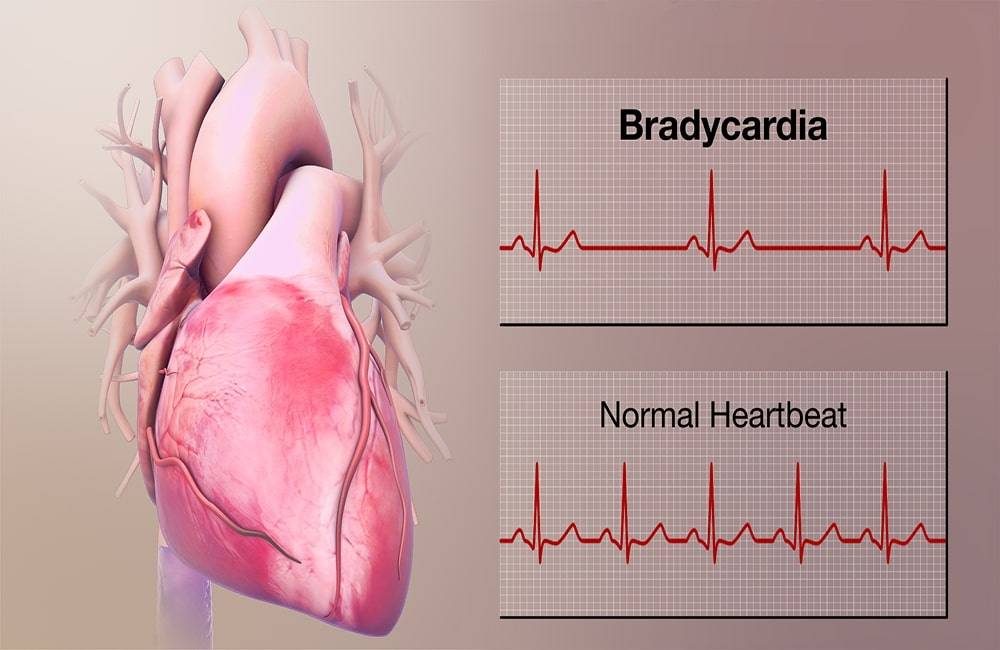
- bradycardia
- noun
- A slowing of the heart rate to less than 50 beats per minute.
- Example: The patient's ECG revealed bradycardic rhythms.
- en: Bradicardie
- cardiac monitoring
- noun
- Continuous monitoring of the heart activity, generally by electrocardiography. It's an assessment of the patient's condition relative to their cardiac rhythm.
- Example: To ensure his heart was functioning properly after surgery, the medical team kept him under constant cardiac monitoring.
- en: Monitorage cardiaque

- cervical collar
- noun
- A neck brace used to support and stabilize a patient's neck and head.
- Example: After the car accident, the paramedics carefully placed a cervical collar around the injured driver's neck to immobilize it and prevent further spinal injury.
- en: Collier cervicale

- combitube
- noun
- A blind insertion airway device used in the pre-hospital and emergency setting. It is designed to provide an airway to facilitate the mechanical ventilation of a patient in respiratory distress.
- Example: We are learning how to install a combitube in my resuscitation class.
- en: Combitube

- convulsions
- noun
- It is a medical condition where body muscles contract and relax rapidly and repeatedly, resulting in an uncontrolled shaking of the body.
- Example: Someone who is suffering from epilepsy is going to have convulsions.
- en: Convulsions
- defibrillator
- noun
- An apparatus used to control heart fibrillation by application of an electric current to the chest wall or heart.
- Example: After the sudden cardiac arrest, the paramedics quickly used a defibrillator to restore the patient's heartbeat.
- en: Défibrillateur

- epinephrine
- noun
- The commercial form of a hormone secreted by the adrenal medulla upon stimulation by the central nervous system in response to stress. It is used chiefly as a heart stimulant, to constrict the blood vessels, and to relax the bronchi in asthma.
- Example: My friend who had an allergic reaction was given epinephrine to feel better.
- en: Épinéphrine
- gloves
- noun
- The gloves act as a protective barrier to prevent the possible transmission of diseases between healthcare professionals and patients.
- Example: A paramedic puts on gloves before every call.
- en: Gants
- glucometer
- noun
- It's a tool used to mesure someone's blood sugar.
- Example: In prehospital emergency care, we take a patient blood sugar with the glucometer for many reasons.
- en: Glucomètre

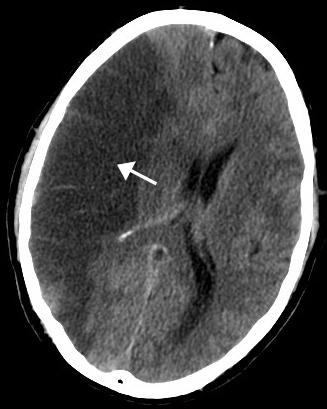
- infarct
- noun
- Cell death due to an inadequate intake of oxygen.
- Example: The doctor diagnosed him with a myocardial infarct after reviewing the results of his electrocardiogram.
- en: Infarctus
- naloxone
- noun
- Naloxone is an opioid antagonist, a medication used to reverse or reduce the effects of opioids.
- Example: Paramedics administered naloxone to the patient to reverse the effects of an opioid overdose.
- en: Naloxone

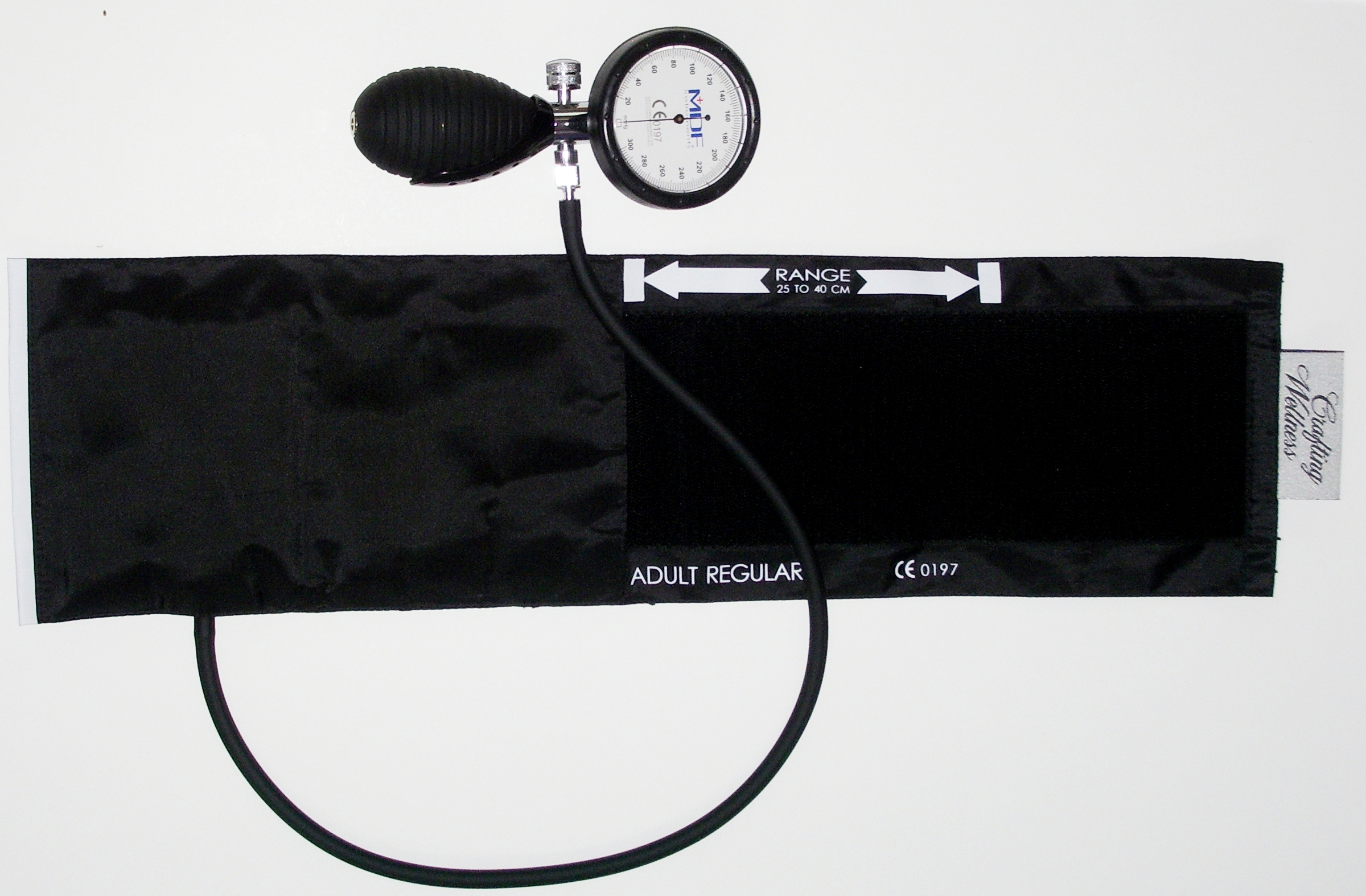
- sphygmomanometer
- noun
- It's a tool used to take someone's blood pressure.
- Example: Sitting blood pressure is mesured manually with a sphygmomanometer.
- en: Sphygmomanomètre
- stethoscope
- noun
- The stethoscope is a device used to listen to the sounds generated internally by your heart, lungs and intestinal tract.
- Example: Yesterday, I used my stethoscope to listen to the patient heart.
- en: Stéthoscope

Comments
Post a Comment